
Borrowing Against Your Home to Invest: What Is at Stake
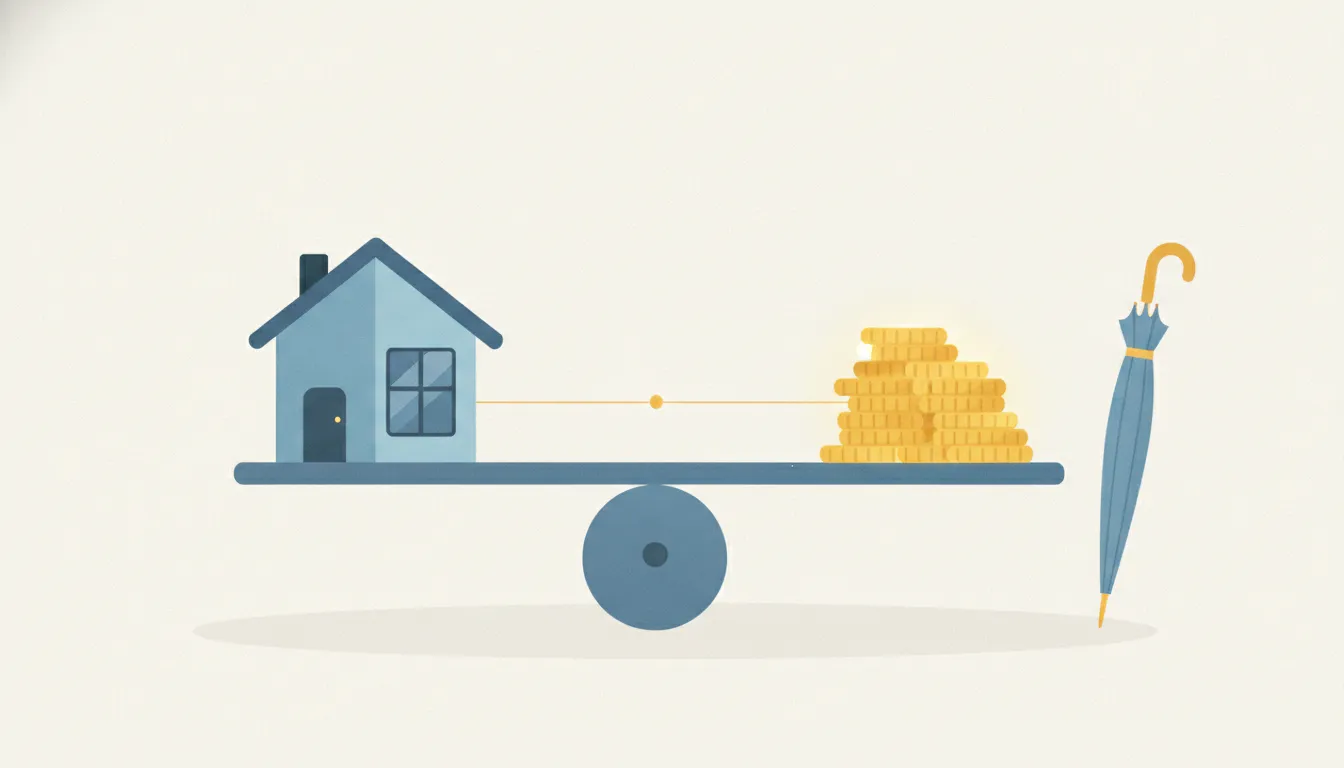
Some homeowners wonder whether the equity built up in a home could be put to work in investments. Regulators describe that approach as risky, and the reasons are worth understanding before any decision. This article explains the main risks in plain terms and gives a numbers-based picture of why. It does not suggest that this is, or is not, suitable for any particular household.
Key takeaways
- FINRA describes using home equity to invest as always risky, because failing to repay any loan secured by a home can result in foreclosure.
- A loan has to be repaid even if the investment falls in value, so losses can exceed the amount originally invested.
- Home equity lines usually have variable rates, payments often rise when the repayment period begins, and a lender might not allow further borrowing if the home loses value.
- In a hypothetical case, an investment funded with a 50,000 dollar loan at 8 percent has to earn more than 8 percent a year just to cover interest.
- Scammers sometimes encourage people to borrow against their home to invest, so unsolicited offers and promises of high returns with little risk are red flags.
Why regulators urge caution
The Financial Industry Regulatory Authority, known as FINRA, says that using a home's equity to invest is always risky and could jeopardize financial stability. It points to several specific problems:
- The home is on the line. Failing to pay any loan secured by home equity can result in foreclosure, and even short of that, a household could lose equity built up over many years.
- The loan stays. You can lose more than the amount invested, because the loan must still be repaid even if the investment falls in value.
- Payments can change. Many home loans and credit lines have variable rates, so payments can climb beyond what was expected.
- Falling home values. A drop in home prices can leave a household owing more than the home is worth.
- Credit effects. Struggling to repay can hurt a credit score and future borrowing.
- Chasing losses. After a poor result, some people move money into riskier investments to try to make up the difference.
How the loan side works
The Consumer Financial Protection Bureau describes a home equity line of credit as borrowing against the equity in a home. It notes that these lines usually have variable rates, that monthly payments are often significantly higher once the repayment period begins, and that a lender might not allow additional borrowing if the home's value drops or if it doubts the borrower can keep up with payments. The Bureau also says you could lose your home if you cannot repay on schedule, and that a line is worth considering only by someone confident of keeping up with the payments.
A simple illustration
Imagine a hypothetical household that borrows $50,000 at an assumed 8 percent, paying interest only, and invests it for a year. The interest is $4,000, paid from other income. Returns are uncertain, so here are three possible outcomes. None is a prediction.
- A 20 percent decline. The investment is worth $40,000, but $50,000 is still owed. With the $4,000 in interest, the household is $14,000 behind where it began.
- A 5 percent gain. The investment is worth $52,500. After repaying $50,000 and paying $4,000 in interest, the household is $1,500 behind.
- A 12 percent gain. The investment is worth $56,000. After the loan and interest, the household is $2,000 ahead.
The pattern is the point. The interest cost is certain, while the investment result is not, so the investment has to earn more than the loan costs before the household is ahead. The illustration leaves out taxes, fees, loan costs and inflation.
Watch for pressure and scams
FINRA warns that scammers sometimes build a relationship with a target and then encourage borrowing against a home to invest in high-risk assets, even recommending particular lenders. Its red flags include unsolicited calls or messages, promises of high returns with little or no risk, pressure to act quickly, and instructions to wire money to an unknown recipient. It suggests researching any seller independently and confirming that professionals are registered or licensed.
Questions to ask first
- If the investment lost value and the loan remained, could every payment still be made?
- What happens if rates rise or the lender freezes the line?
- How would I respond to a loss, and what would stop me from chasing it?
- Who is suggesting this, are they properly licensed, and how are they paid?
- What do tax and legal professionals say about this specific plan?
A licensed professional who can see the full picture, including income, debts and the home, is better placed to discuss these questions than a general article can be.
Common questions
Is it risky to use a HELOC or home equity loan to invest?
FINRA describes using home equity to invest as always risky. Failing to repay can lead to foreclosure, you can lose more than you invested, and variable rates can raise payments. Many people discuss the plan with a licensed professional first.
Can a lender freeze a home equity line of credit?
The Consumer Financial Protection Bureau says a lender might not allow additional borrowing if your home's value drops, and may limit access if it doubts you can keep up with payments.
How can I check someone who is recommending an investment?
FINRA suggests researching the seller independently, confirming that professionals are registered or licensed with FINRA, the SEC or your state regulator, and using FINRA BrokerCheck. It lists unsolicited contacts, promises of high returns with little risk, and pressure to act quickly as red flags.
Explore your next step
Sources and further reading
From the Borrow Smart newsletter
NIFE provides general financial education. LendsightAI and Debt Done Date are separate for-profit partners; optional services may have a fee.